
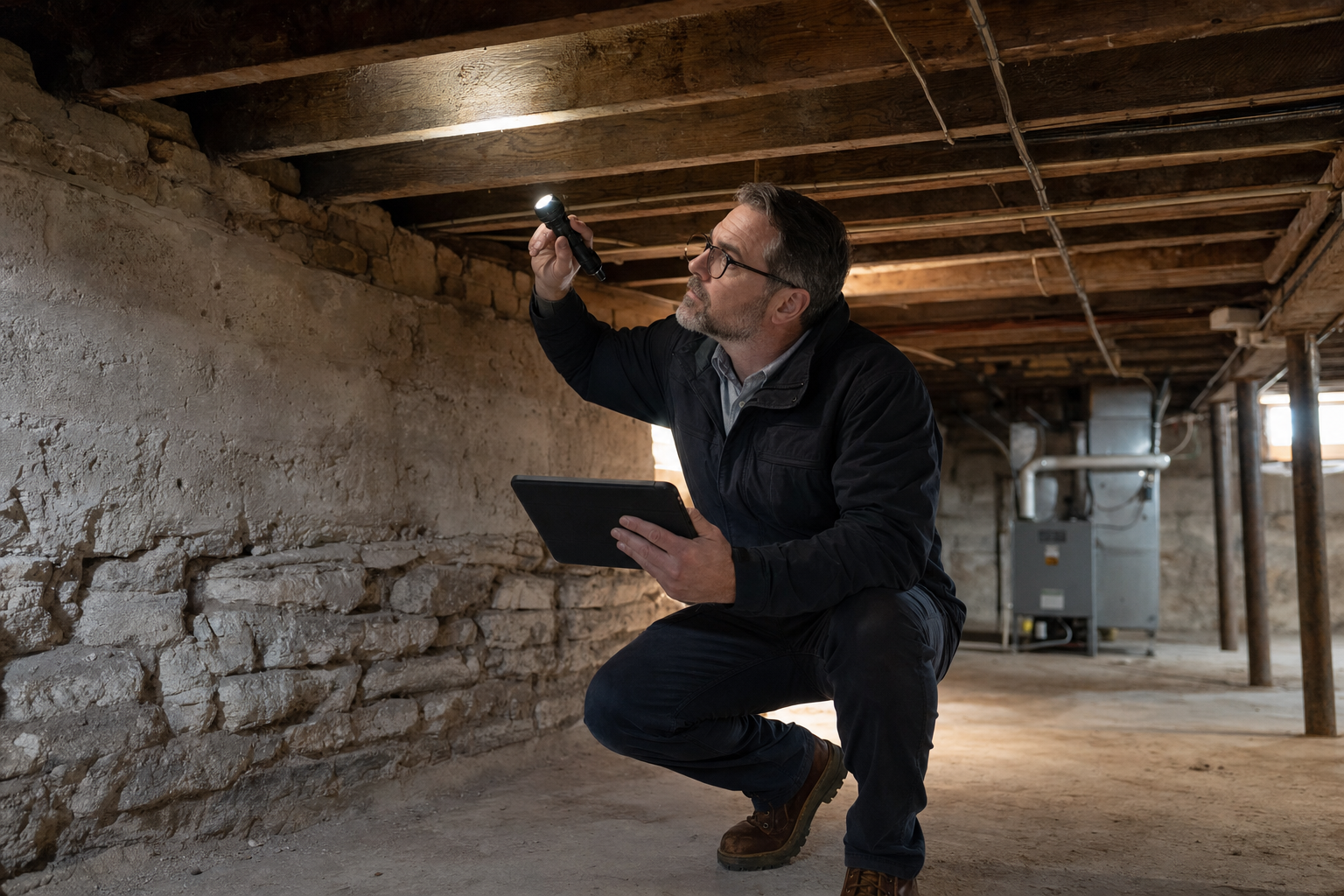
What Does a Structural Engineer Check During a Home Inspection in Toronto?
Table of Contents
- Structural Engineer vs. Home Inspector: The Core Difference
- What a Structural Engineer Checks in a Toronto Home
- Foundation Assessment
- Framing and Floor System Review
- Roof Structure and Load Path
- Identifying Previous Structural Modifications
- Toronto-Specific Considerations
- What to Do Next
- When to Call a Structural Engineer
- Frequently Asked Questions
Structural Engineer vs. Home Inspector: The Core Difference
A structural engineer brings a fundamentally different lens to a home inspection than a licensed home inspector. A home inspector performs a broad, visual assessment of all building systems, electrical, plumbing, HVAC, roofing, and structure, and flags items requiring further investigation. A structural engineer focuses specifically on the load-carrying elements of the building and applies engineering analysis to determine whether they are safe, adequate, and performing as intended. The structural engineer's report carries PEO professional liability and provides the engineering opinion that a home inspection report explicitly cannot.
Key Takeaways
- A structural engineer checks load-carrying elements (foundation, framing, beams, columns) with engineering analysis, not just visual observation.
- The written report provides a professional engineering opinion on severity, cause, and recommended action.
- Toronto homeowners typically need a structural engineer's assessment when a home inspector flags structural concerns.
- Structural inspections are particularly valuable for older Toronto homes and pre-purchase assessments.
What a Structural Engineer Checks in a Toronto Home
A structural engineer's home inspection covers the following elements, with analysis at each point:
- Foundation walls and footings: Crack type, orientation, width, displacement, signs of movement, water infiltration, and adequacy for the loads above
- Basement framing: Beam sizes, post conditions, column adequacy, and any signs of deflection or deterioration
- Floor framing: Joist spans and conditions, beam bearing, and floor levelness above
- Load-bearing wall adequacy: Whether walls appear to be carrying loads appropriately or show signs of overstress
- Visible roof structure: Rafter or truss conditions accessible from attic, ridge beam deflection, and any signs of spreading
- Previous modifications: Evidence of removed walls, added openings, or altered framing that may have changed load paths
- Connection conditions: Visible connections between structural elements for hardware adequacy and signs of deterioration
See structural inspections and foundation inspections for detailed service descriptions.
Foundation Assessment
The foundation receives the most detailed attention during a structural inspection. The engineer examines every accessible surface of the foundation walls, interior and exterior where possible, classifying each crack by type and severity. Crack types include hairline shrinkage cracks (generally cosmetic), wider vertical cracks (possible differential settlement), diagonal cracks (settlement or stress concentration), horizontal cracks (lateral soil pressure, potentially urgent), and stair-step cracks in masonry (settlement-related).
The engineer also assesses the footing conditions where visible, any waterproofing or drainage measures, and signs of prior repair that may indicate a history of structural concern.
Framing and Floor System Review
The engineer reviews the basement framing, beams, posts, and floor joists, for adequacy, condition, and any signs of modification or distress. Particular attention goes to:
- Beam spans and whether they are appropriate for the loads above
- Post sizes and bearing conditions at top and bottom
- Any notching, boring, or cutting of floor joists that may have reduced their capacity
- Visible sagging or deflection in the floor system above
Where accessible, the engineer may also inspect floor framing from above (through a basement ceiling or crawl space hatch). See Can a Structural Engineer Help With Sagging Floors or Roofs? for a related discussion.
Roof Structure and Load Path
If attic access is available, the engineer inspects the visible roof framing: rafter sizes and spacing, any ridge beam or board conditions, signs of spreading (rafters pushing out on the exterior walls), and the condition of any collar ties or ceiling joists that provide lateral restraint. On older Toronto homes with complex rooflines, this can reveal significant deterioration or undersized framing that is not visible from exterior observation.
Identifying Previous Structural Modifications
One of the most valuable things a structural engineer does during a home inspection is identify evidence of previous structural modifications, some permitted, some not. Signs include beams that appear recently installed but lack proper bearing details, large openings with rough framing rather than finished beam bearing, and basement posts that have been removed or relocated without apparent engineering. These findings may indicate unpermitted work that requires disclosure, assessment, or remediation. See What Are the Signs of Structural Damage in a House? for a broader discussion of what to look for.
Toronto-Specific Considerations
Toronto's housing stock skews older than many comparable Canadian cities. Pre-1960 homes in neighbourhoods like Parkdale, The Beach, Leaside, and The Junction commonly present with conditions that require an engineer experienced in heritage construction: rubble stone foundations, mixed lumber grades, unreinforced masonry interior walls, and original framing that may have been altered through decades of DIY renovation. A structural engineer who knows Toronto's building typology can assess these conditions accurately and efficiently.
What to Do Next
- Review any existing home inspection report for language recommending a structural specialist.
- If structural concerns were observed during a showing or inspection, book a structural engineer's assessment before proceeding with a purchase or renovation.
- Request a written engineering report with photographs and severity ratings for any structural concern.
- Share the report with your real estate lawyer, lender, or contractor as appropriate.
When to Call a Structural Engineer
Call a structural engineer for a home inspection when:
- A home inspection report recommends a structural specialist
- You observe cracks, sagging, sloping floors, or bowing walls at a showing
- The property is more than 50 years old and shows visible signs of distress
- The seller has disclosed prior foundation work, structural repairs, or unpermitted renovations
Frequently Asked Questions
Q: How is a structural engineer's home inspection different from a standard home inspection?
A structural engineer focuses exclusively on load-carrying elements and provides an engineering opinion with professional liability. A home inspector covers all systems visually and cannot provide engineering analysis. See What's the Difference Between a Home Inspector and a Structural Engineer? for a detailed comparison.
Q: Can I book a structural engineer for a quick look before making an offer on a Toronto home?
Yes. Some engineers offer pre-offer walkthrough services that provide an informal assessment before an offer is made, which can identify major red flags quickly.
Q: Does a structural engineer inspection replace a home inspection?
No. They are complementary services. A home inspector covers all building systems; a structural engineer covers load-carrying elements in depth. For an older Toronto home with structural concerns, both are valuable.
Q: How long does a structural engineer's home inspection take?
Most residential structural inspections take one to three hours on site, with the written report following within a few business days.
Q: Will a structural engineer tell me what repairs will cost?
Engineers provide repair recommendations and scope descriptions. Cost estimates are typically provided by contractors based on those recommendations.
Buying or assessing a Toronto home? Get My Free Quote for a structural engineer's inspection and written report.