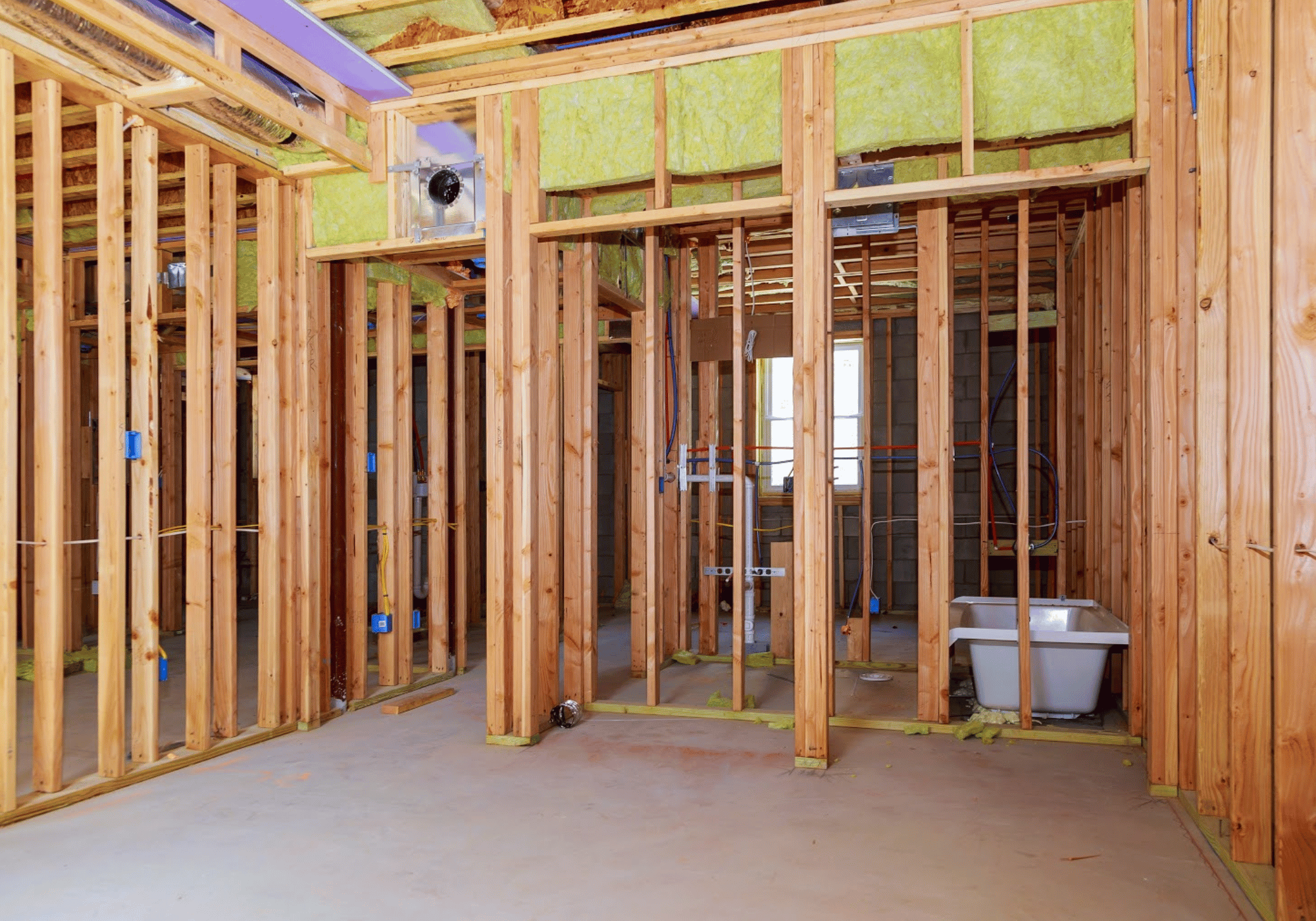
Modify your Toronto home with confidence using engineered solutions for wall removals, openings, additions, and layout changes. We help ensure your project is safe, compliant, and built correctly.
Homeowners modify their homes for all kinds of reasons. A growing family needs more space. An aging parent is moving in. A basement is being converted into rental income. A layout that made sense in 1955 no longer works for how you actually live.
Whatever the reason, residential house modifications in Toronto almost always intersect with structure. Walls come down. Floors get lowered. Rooflines change. Loads shift. And when any of that happens, a structural engineer needs to be involved — not as a formality, but as the person who makes sure it works.
Toronto Structural Engineers provides residential structural engineering for house modifications of all types and scales across Toronto, ON. We work with homeowners from the earliest planning stage through construction, making sure every modification is structurally sound, permitted, and built to last.
A residential house modification is any change to the existing layout, footprint, or structure of a home. This includes changes to interior configuration, exterior form, vertical height, or below-grade space.
Engineering is required whenever a modification affects — or could affect — how the home carries load. That includes the weight of floors, walls, roofs, and occupants moving through the structure down to the foundation and into the ground.
In Toronto, the City requires a building permit for most structural modifications, and a permit application for structural work must be supported by engineering drawings stamped by a licensed Professional Engineer. Without those drawings, the permit won't be issued and the work can't legally proceed.
Common house modifications that require structural engineering include:
If your planned modification touches the structure of your home in any way, structural engineering is the right place to start.
We provide the full range of structural engineering services needed to support residential house modifications in Toronto — from initial assessment through permit-ready drawings and construction coordination.
Opening up the main floor of a Toronto home — removing walls between kitchens, living rooms, and dining areas — is one of the most requested residential modifications in the city. When those walls carry structural load, engineering is required to design the replacement beam, size the posts, and ensure the loads are properly transferred to the foundation. We handle the full structural scope and prepare permit-ready drawings for your contractor.
Converting a bungalow into a two-storey home, or adding floor area above an existing structure, is among the most structurally demanding residential modifications. The existing foundation, exterior walls, and floor framing must all be evaluated to determine whether they can support the new load — and in many Toronto homes, upgrades are required. We assess the existing structure, design the new upper floor system, and prepare engineering drawings for the complete vertical addition.
Expanding the footprint of a Toronto home requires careful structural design at the point where new construction meets old. Foundation continuity, wall connections, floor system transitions, and roof tie-ins all require engineering attention. We design the full structural system for home additions and coordinate with architects and contractors to ensure the design is integrated and buildable.
Lowering a basement floor to create full-height living space is a common modification in Toronto — particularly for legal secondary suites. Underpinning and bench footing are the two primary engineering approaches, and the right choice depends on your home's foundation type, soil conditions, and project goals. We evaluate the options, design the structural solution, and prepare complete engineering drawings for permit submission.
Converting an attached garage into a bedroom, office, or living area involves more than finishing the walls and floor. The existing garage structure — including the slab, foundation, framing, and overhead door opening — often requires modification to meet residential occupancy standards under the Ontario Building Code. We assess the existing conditions and design the structural changes required to make the conversion code-compliant.
Toronto's housing policies increasingly encourage the creation of legal secondary suites — basement apartments, above-garage suites, garden suites, and laneway houses. Each of these involves structural engineering to ensure the suite is safely constructed and meets OBC requirements. We provide structural drawings for secondary suite projects of all configurations, including the new garden suite typologies encouraged under Toronto's updated zoning framework.
Enlarging an existing window, adding a new door opening, or creating a pass-through in a structural wall all require engineering review. When openings are cut into load-bearing walls, the loads previously carried by that section of wall must be redirected through a properly sized lintel or header. We size these members, specify the required bearing, and prepare drawings for permit submission.
Changing a roofline — whether adding dormers, raising a ceiling to create a vaulted space, or modifying roof framing to accommodate an addition — involves structural design to ensure the new configuration carries loads safely and connects properly to the existing structure. We design roof modifications for Toronto homes and prepare the engineering drawings required for permit approval.
A house modification that looks straightforward on a renovation plan can involve significant structural complexity in practice. Loads that were previously carried by a wall now need a new path. A foundation designed for a one-storey home now needs to support two. A basement that was never meant to be living space needs to meet current code requirements.
When structural engineering is done properly from the start, these challenges are identified, solved, and documented before construction begins. The result is a modification that performs as intended, passes inspection, and adds lasting value to the home.
When engineering is skipped or performed poorly, the consequences can include:
Getting structural engineering right at the start is always less expensive than correcting structural problems after the fact.
We work on homes — not industrial facilities, not commercial buildings. That focus means our engineers understand the structural conditions, renovation challenges, and permit processes specific to Toronto residential properties at a level that generalist firms simply don't match.
Our structural designs are built to be constructed, not just to satisfy a calculation. We work with what's actually in your home — existing framing, real foundation conditions, and the constraints that come with modifying an occupied residence — and design solutions your contractor can execute.
Every engineering package we produce is stamped by a licensed Professional Engineer and formatted to meet Toronto Building's submission standards. We know what City reviewers look for and prepare our drawings accordingly.
We understand that delays in engineering mean delays in construction. We work efficiently to deliver assessments and drawing packages within timeframes that support your project schedule.
Structural engineering can feel opaque to homeowners who aren't familiar with it. We make it clear — explaining what we found, what we designed, and why — so you always know where your project stands.
We coordinate directly with your contractor, architect, and other consultants throughout the modification process. Our engineers are available during construction to answer questions, review conditions, and resolve anything that comes up on site.
We begin by understanding your modification plans, goals, and timeline. This conversation helps us identify the structural scope of work, flag any potential concerns early, and give you a clear picture of what the engineering process will involve.
One of our engineers visits your home to assess the existing structure. We examine foundation conditions, framing, load paths, wall configurations, and any areas of visible concern. For older homes, this assessment is particularly important — conditions often differ from what drawings (if they exist) suggest.
For complex modifications, we review the structural feasibility of your planned approach and present any alternative structural strategies that may be more efficient or cost-effective. This step ensures you're making informed decisions before committing to a design direction.
We perform the structural calculations required for your modification — sizing beams, columns, footings, and connections, and verifying that the existing and new structure performs correctly under all applicable loads.
We prepare a complete stamped engineering package: structural plans, sections, details, and specifications formatted to Toronto Building's permit submission requirements. Drawings include everything your contractor needs to build the modification correctly.
We assist with permit submissions and respond to technical comments from City plan reviewers. We stay involved through the permit approval process so your application moves as efficiently as possible.
During construction, we coordinate with your contractor on drawing interpretation and field conditions. Where required, we conduct site reviews and provide written confirmation that structural work was completed in accordance with the approved engineering.
We provide house modification structural engineering for all residential property types in Toronto — from century-old brick homes in established neighbourhoods to post-war bungalows in the suburbs to newer infill construction throughout the city.
Our work covers detached homes, semi-detached homes, townhouses, row houses, and low-rise residential buildings. We also assist landlords and investors with income property modifications, duplex conversions, and multi-unit residential projects where structural engineering is required.
Toronto's older homes present a particular set of challenges. Pre-war and early post-war construction often involves masonry load-bearing walls, older lumber dimensions, shallow foundations, and structural configurations that weren't designed with modern renovation in mind. Our engineers have extensive experience with these homes and know how to work with — and around — their constraints to deliver practical, code-compliant modifications.
We work with homeowners and contractors throughout the City of Toronto. Our engineers are familiar with the housing types, construction eras, and permit processes across every part of the city.
We regularly support modification projects in North York, Scarborough, Etobicoke, East York, and Downtown Toronto, as well as in neighbourhoods including Leaside, The Beaches, High Park, Leslieville, Rosedale, Forest Hill, Lawrence Park, Bloor West Village, Danforth, and Riverdale.
Whether you're converting a Scarborough bungalow into a two-storey, underpinning a semi-detached home in Leslieville, or adding a rear extension to a century home in Rosedale, we have the local experience and structural expertise to support your project from start to finish.
Yes, for any modification that affects the structure of your home. The City of Toronto requires engineering drawings stamped by a licensed Professional Engineer for building permit applications involving structural work. This includes wall removals, additions, basement modifications, garage conversions, and most other changes to the home's structural configuration. Attempting to proceed without engineering typically results in permit rejection and project delays.
If your modification involves changing walls, floors, ceilings, the foundation, or the exterior envelope of your home, it very likely has structural implications. The safest approach is to consult with a structural engineer early in your planning process — before architect drawings are finalized — so that structural constraints and requirements can be incorporated from the start rather than retrofitted later.
Yes. We regularly conduct feasibility assessments for homeowners who are in the planning stage and want to understand what is and isn't structurally achievable before investing in full architectural drawings. This assessment can save significant time and cost by identifying structural constraints or alternative approaches early.
Unexpected structural conditions are common in older Toronto homes — once walls and floors are opened up, what's inside doesn't always match what was expected. When this happens, we assess the new information quickly and provide revised engineering so your contractor can continue without extended delays. Having an engineer already engaged on the project makes this process much faster than starting fresh.
Timelines depend on the complexity of the modification. Straightforward projects such as a single wall removal or window enlargement can typically be completed within one to two weeks of the site visit. Complex modifications — second storey additions, large extensions, or basement underpinning — generally take two to four weeks. We provide a specific timeline after the initial consultation and scope review.
Yes, and this is the preferred arrangement for larger modification projects. We collaborate with architects and designers regularly, coordinating structural requirements with the architectural design so the two are fully integrated. Clear communication between the structural engineer and the design team leads to better drawings, fewer conflicts, and smoother permit submissions.
Rarely — but older homes do require more careful evaluation. Pre-war homes were often built with materials and methods that differ significantly from current standards, and their foundations, walls, and framing may need upgrading to support new loads. In most cases, the right structural upgrades make the modification achievable. A thorough site assessment tells us exactly what the existing structure can and can't do, and we design accordingly.
The earlier structural engineering is involved in a house modification project, the smoother everything else goes. Engineering shapes what's possible, informs the design, supports the permit, and gives your contractor the clarity to build with confidence.
Toronto Structural Engineers provides residential house modification engineering that is thorough, practical, and permit-ready. We work with homeowners and their teams throughout Toronto to ensure every modification is structurally sound and built to last.
Contact us today to request a quote or schedule a structural assessment. We respond quickly, communicate clearly, and stay engaged through every stage of your project.
Modify your home the right way — with structural engineering that works as hard as you do.