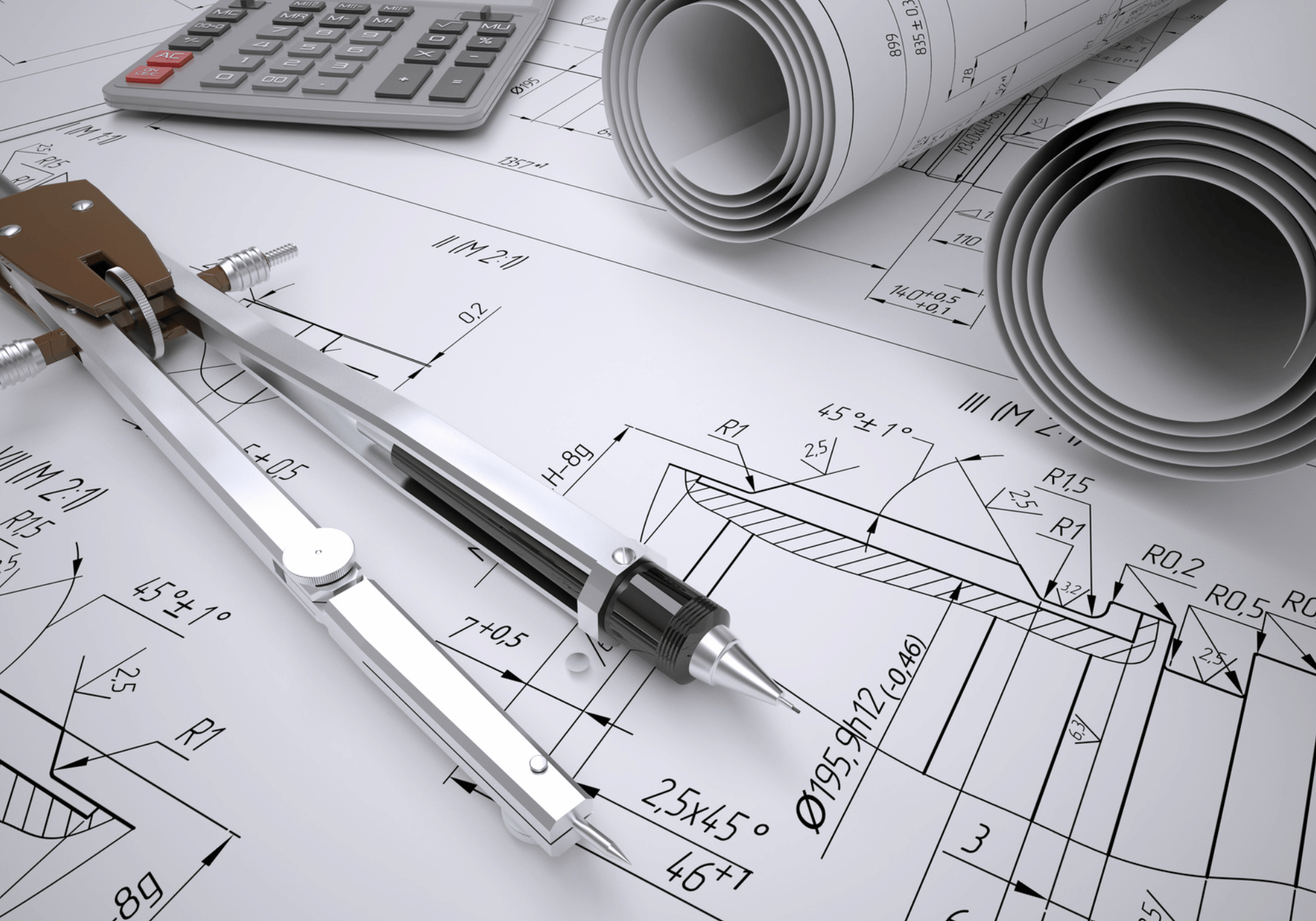
Get detailed residential structural drawings in Toronto for renovations, additions, permits, and repairs. We provide clear engineering plans that help avoid construction delays, failed inspections, and costly rework.
When a Toronto homeowner needs structural drawings for a renovation, a permit application, or a contractor requirement, the next question is always the same: who do I call?
A residential structural drawing engineer is the licensed professional who prepares the engineered plans your project depends on. They assess your home, perform the structural calculations, and produce the stamped drawings that the City of Toronto requires before a building permit is issued. Without a qualified engineer in that role, the drawings don't carry the legal weight the permit process demands — and the structural work they describe isn't grounded in verified engineering analysis.
At Toronto Structural Engineers, we provide residential structural drawing engineering for homeowners and contractors across Toronto, ON. We prepare stamped, permit-ready structural drawings for renovation projects of all types — and we make the process of working with a structural engineer as straightforward as possible.
The term "structural drawings" describes the output. The engineer is the person who makes those drawings valid, accurate, and legally binding. Understanding what a residential structural drawing engineer actually does helps homeowners know what to expect from the process — and why the quality of the engineer matters as much as the quality of the drawings themselves.
Before any drawings can be prepared, the engineer needs to understand the existing structure. This means a site visit to examine framing, foundation conditions, load paths, wall configurations, and any structural conditions that affect the design. For older Toronto homes especially, conditions on site frequently differ from what drawings — if they exist — suggest. The site assessment is where engineering judgment begins, and it directly determines how accurate and appropriate the resulting drawings will be.
Structural drawings are not simply architectural sketches marked up with beam sizes. They are the product of engineering analysis — calculations that determine how loads move through the structure, what sizes of beams and columns are required, how connections must be detailed, and what the foundation must support. These calculations follow the Ontario Building Code and established structural engineering principles. The engineer performs them, takes responsibility for their accuracy, and stamps the drawings to confirm that responsibility.
The drawings themselves must communicate the engineering design clearly and completely to two audiences: the City of Toronto's plan reviewers who assess the permit application, and the contractor who builds from the drawings on site. A residential structural drawing engineer prepares packages that satisfy both — formatted to Toronto Building's submission standards and detailed enough for correct field execution. The stamp and signature of a licensed Professional Engineer makes those drawings legally valid for permit submission.
Most residential renovation projects involve more than one professional — an architect or designer, sometimes a mechanical or electrical consultant, and always a contractor. The structural drawing engineer coordinates with these parties to ensure the structural design integrates with the architectural design and that the drawings reflect a buildable, coordinated plan rather than a set of structural notes that conflict with other project documents.
When a permit application is submitted to the City of Toronto with engineering drawings, plan reviewers sometimes identify questions or request revisions. A residential structural drawing engineer responds to these comments — clarifying design intent, providing additional calculations, or revising drawings where required. This support continues until the permit is issued. Homeowners working with engineers who disappear after delivering drawings often find that permit delays become their problem to manage alone.
The engineer's role doesn't end when the drawings are delivered. During construction, conditions sometimes differ from what was observed during the assessment — concealed framing, unexpected foundation conditions, or contractor questions about drawing interpretation. A residential structural drawing engineer stays available during construction to answer those questions and provide revised guidance when needed.
Not all structural drawings are equally reliable — and the difference almost always comes down to the engineer who prepared them.
Structural drawings prepared without adequate site investigation may not reflect actual conditions in the home. Drawings produced without proper calculations may specify members that appear correct but are sized by rule of thumb rather than analysis. Drawings formatted without knowledge of Toronto Building's submission requirements may be technically sound but formatted in ways that trigger revision requests and permit delays.
For Toronto homeowners, the consequences of inadequate engineering drawings include:
The engineer's stamp on a drawing is a professional commitment — a statement that the drawings are accurate, code-compliant, and the product of qualified engineering analysis. That commitment only has meaning when the engineer behind it has done the work properly.
Our residential structural drawing engineering services cover the full scope of what Toronto homeowners need for renovation projects — from the initial assessment through permit approval and construction support.
Wall removal is the most common reason Toronto homeowners need a residential structural drawing engineer. When a load-bearing wall comes out, the loads it was carrying need to go somewhere — through a beam to posts and footings below. The engineer sizes those elements through analysis, not estimation, and produces drawings that show the contractor exactly what to build and the permit reviewer exactly what has been designed. We prepare load-bearing wall removal drawings for open-concept kitchen, living, and dining renovations throughout Toronto.
Creating a finished basement, lowering a floor for a legal secondary suite, or underpinning an existing foundation all require engineering drawings that address both the foundation modifications and the structural elements above. Our drawing engineers assess the existing foundation, design the underpinning or modification, and produce complete structural drawing packages for permit submission and contractor use.
Rear additions, side additions, and above-garage additions all require structural engineering drawings that address the full structural scope — new foundation, wall framing, floor and roof systems, and connections to the existing structure. Our drawing engineers coordinate with architects and designers to produce integrated structural drawings that support the permit application and give contractors the information they need to build correctly.
Converting a bungalow to a two-storey home requires a comprehensive set of structural drawings that evaluate the existing foundation and structure, design any required upgrades, and specify the new upper floor system in detail. These are among the most technically demanding residential drawing packages we produce — and among the most important to get right.
Building a new detached garage, garden suite, or accessory dwelling unit in Toronto requires a building permit and structural engineering drawings. Our drawing engineers prepare the complete structural package for new accessory structures, including foundation design, wall framing, roof structure, and slab or floor system design.
When structural problems are identified — cracked foundations, failed beams, deteriorated framing — the repair work requires engineering drawings to be permitted and inspected. Our drawing engineers assess the existing conditions, design the repair, and produce stamped drawings that support the permit application and guide the contractor through the remediation.
Residential structural drawings prepared for Toronto projects must satisfy the requirements of the Ontario Building Code and the City of Toronto's local permit submission standards. Understanding how these requirements shape the drawing process helps homeowners know what to expect.
The OBC establishes the minimum structural performance standards that all residential construction in Ontario must meet. For structural drawings, this means that every element — beams, columns, connections, foundations, floor and roof systems — must be designed to meet OBC load requirements and structural performance standards. The engineer's calculations verify this compliance, and the engineer's stamp on the drawings confirms it to the permit reviewer.
The City of Toronto has specific requirements for how building permit applications must be organized, what information must appear on drawings, and how documents must be formatted and submitted. Structural drawings that meet OBC requirements but don't conform to Toronto Building's submission standards will still generate revision requests. Our drawing engineers are familiar with these requirements and format all drawing packages accordingly.
For certain types of structural work — concrete placement, steel connections, and others — the OBC requires a schedule of special inspections to be submitted with the permit application. Our drawing engineers prepare these schedules where required and coordinate the inspection process with contractors and the City.
Building permit applications for larger renovation projects typically include drawings from multiple disciplines — architecture, structure, and sometimes mechanical. Toronto Building reviews all submitted drawings for coordination, and conflicts between disciplines generate revision comments that delay the permit. Our structural drawing engineers review the full submission package for coordination issues before it goes to the City.
We focus on residential structural drawings. Our engineers understand the specific projects, home types, and structural conditions common to Toronto renovations — and they understand what Toronto Building's reviewers look for in a residential structural drawing package. That focus produces drawings that move through the permit process more efficiently than generalist engineering work.
Every drawing package we produce starts with a site visit. We don't prepare structural drawings based on descriptions, old drawings, or photographs alone. The engineer who stamps the drawings is the engineer who assessed the home — so the drawings reflect actual conditions rather than assumed ones.
We understand that renovation timelines are tight and that drawing delays hold up permits, which hold up contractors. We work efficiently to deliver drawing packages within timeframes that support project schedules — without shortcutting the assessment and calculation work that makes the drawings valid.
A structural drawing that satisfies a plan reviewer but confuses a contractor creates problems in the field. We prepare drawings that are clear and complete for the people building from them — with details, notes, and specifications that translate engineering design into buildable instruction.
We stay engaged through the permit process — not just until the drawings are delivered. When City reviewers have comments, we respond. When revisions are needed, we make them. When the permit is issued, we're available to support the construction phase that follows.
All structural drawings are prepared and stamped by a Professional Engineer licensed with Professional Engineers Ontario. Our engineers carry professional liability insurance, and the drawings we produce carry the legal weight that Toronto Building and Ontario law require.
We begin with a conversation about your project — what you're planning, what drawings you need, and what timeline you're working within. We review any existing drawings, architectural plans, or site information you have available. This lets us scope the engineering work accurately and identify what site investigation will be required before drawings can be prepared.
One of our licensed structural engineers visits your home to assess the existing structure. We examine framing, foundation, load paths, and any specific conditions relevant to your project. This firsthand assessment is the foundation of accurate drawings — and it's a step that cannot be skipped or substituted.
We perform the engineering calculations required for your project — sizing structural members, verifying load paths, designing connections, and confirming compliance with OBC requirements. These calculations support every design decision reflected in the drawings and are retained in our engineering files.
We prepare the complete structural drawing package — plans, sections, details, schedules, and specifications — formatted to Toronto Building's permit submission standards. Drawings are reviewed internally before delivery to confirm accuracy, completeness, and coordination with any architectural or other project documents.
The completed drawings are reviewed and stamped by the licensed Professional Engineer responsible for the engineering work. The stamp and signature confirm that the drawings reflect qualified engineering analysis and that the engineer takes professional responsibility for their accuracy and compliance.
We assist with building permit submission to the City of Toronto and stay available to respond to plan reviewer comments. For projects where revision requests are received, we prepare and resubmit revised drawings promptly to minimize permit delays.
Once permits are issued and construction begins, we remain available to answer contractor questions about the drawings, address field conditions that differ from what was assessed, and provide supplementary engineering guidance as needed. We issue field review reports or letters of compliance where the project or permit requires them.
Our residential structural drawing engineering services are available for all types of Toronto homes — detached houses, semi-detached homes, townhouses, row houses, and low-rise residential buildings. We work on projects ranging from single wall removals to full multi-storey additions and new custom home construction.
We also work with architects, designers, and general contractors who require a structural engineer to complete their project team. For design-build firms, custom home builders, and renovation contractors who manage multiple projects across Toronto, we provide reliable structural drawing engineering that integrates smoothly with their design and construction process.
Older Toronto homes — particularly those built before 1960 — require the most careful engineering assessment before drawings are prepared, because the structural conditions in these homes are most likely to differ from standard assumptions. Our engineers have extensive experience with the full range of construction eras and building types represented in Toronto's residential stock.
We provide residential structural drawing engineering throughout the City of Toronto. Our engineers work across all Toronto neighbourhoods and are familiar with the housing types, renovation trends, and permit requirements specific to each part of the city.
We regularly prepare structural drawings for projects in North York, Scarborough, Etobicoke, East York, and Downtown Toronto, and across neighbourhoods including Leaside, The Beaches, High Park, Leslieville, Rosedale, Forest Hill, Lawrence Park, Bloor West Village, Danforth, Riverdale, and Swansea.
Toronto's housing stock demands structural drawing engineers who understand local conditions — the older foundation types common in established neighbourhoods, the renovation projects driving demand across the east and west ends, and the permit submission standards specific to the City of Toronto. Local knowledge is not incidental to good residential structural drawing engineering. It is part of what makes the drawings accurate and the permit process efficient.
A structural drawing engineer preparing drawings for residential projects in Toronto must be licensed as a Professional Engineer (P.Eng.) with Professional Engineers Ontario. The P.Eng. designation confirms that the engineer has met the education, experience, and examination requirements set by the regulatory body, and it is the credential that gives an engineering stamp legal validity in Ontario. Beyond licensure, look for engineers who specialize in residential work, have direct experience with Toronto's permit process, and conduct site visits before preparing drawings — rather than producing drawings remotely based on descriptions alone.
Architects prepare architectural drawings — floor plans, elevations, sections, and specifications related to the design and form of the building. Structural drawings require a structural engineer. In Ontario, structural drawings for permit applications must be stamped by a licensed Professional Engineer. Architects often work alongside structural engineers on renovation and addition projects, with each professional responsible for their respective scope. If your architect has told you that structural drawings are needed, the next step is engaging a structural engineer.
Structural drawing costs vary depending on the scope and complexity of the project. A straightforward wall removal drawing package will cost significantly less than a full home addition or second storey engineering package. The most accurate way to understand the cost for your project is to contact us with a description of your renovation — we can provide a fee estimate based on the actual scope of work involved. Engineering fees are typically a small fraction of overall renovation cost, and the permit delays and structural problems that result from inadequate drawings almost always cost more than the engineering itself.
Typical turnaround for residential structural drawing packages ranges from one to four weeks after the site visit, depending on project complexity. Simple wall removal drawings are generally completed faster than multi-component packages for additions or underpinning projects. We provide a specific timeline estimate at the time of engagement so you can plan your renovation schedule accordingly.
It depends. If previous engineering drawings exist for the specific work you're planning and conditions haven't changed since they were prepared, they may still be usable. More often, existing drawings cover different scope than the current project, reflect conditions that have changed, or are too old to rely on without verification. We review any existing drawings you have and advise whether they can be used, modified, or need to be replaced based on the current project requirements.
Plan reviewer comments requesting revisions or clarification are a normal part of the Toronto building permit process. When comments are received, we review them, prepare the required revisions or responses, and resubmit to the City. Our fee structure includes permit revision support so that homeowners aren't facing unexpected additional costs every time a reviewer has a comment. We stay engaged until the permit is issued.
Yes, and we encourage it. When the structural drawing engineer and the contractor are communicating directly, drawing interpretation issues are resolved faster, field conditions get flagged earlier, and construction proceeds more smoothly. We coordinate directly with contractors throughout both the drawing preparation phase and the construction phase, and we're available to answer contractor questions about the drawings without routing everything through the homeowner.
If your renovation project needs structural drawings, the engineer behind those drawings matters as much as the drawings themselves. An accurate site assessment, rigorous structural analysis, permit-ready formatting, and responsive support through the permit process and construction phase — these are what separate structural drawings that work from structural drawings that create problems.
Toronto Structural Engineers provides residential structural drawing engineering for homeowners and contractors across Toronto. We assess your home properly, prepare drawings that are accurate and permit-ready, and stay engaged through every stage of the process.
Contact us today to request a quote or discuss your project. We respond quickly, give you a clear picture of what your project requires, and deliver structural drawings you can rely on.
The right engineer makes your drawings work — for the permit, for the contractor, and for your home.