
Do I Need A Structural Engineer To Widen A Doorway In Toronto?
Do I Need A Structural Engineer To Widen A Doorway In Toronto?
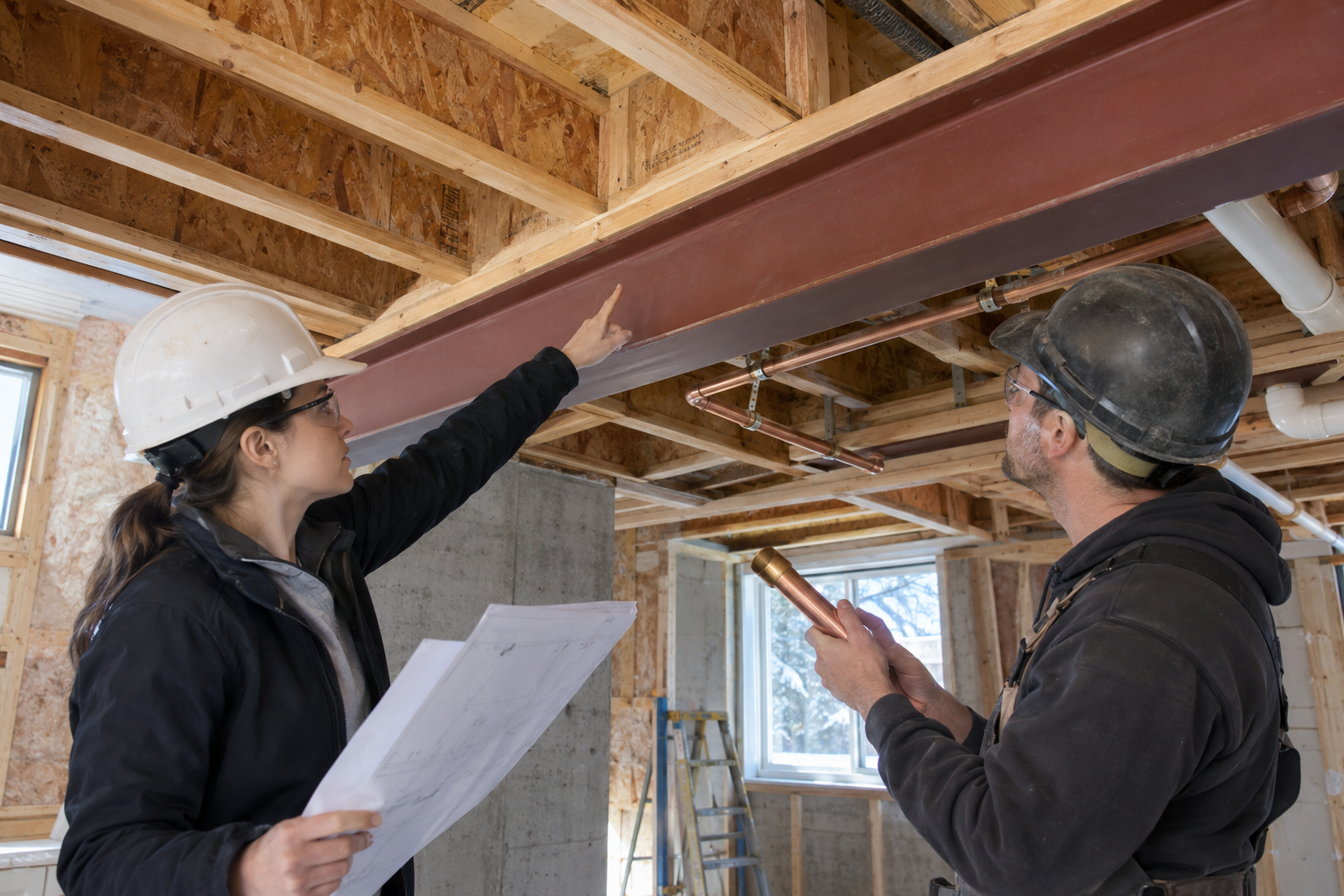
In Toronto, you usually need a structural engineer to widen a doorway when the wall may be load-bearing, exterior, masonry, below another wall, or part of a permit application. The engineer confirms what the wall supports, designs the new header or beam, checks bearing at both ends, and prepares stamped drawings when they are required.
For Toronto homeowners, the first useful answer is what the proposed work changes inside the house. Drywall can hide joist direction, old headers, masonry, posts, previous openings, and basement supports that affect the answer.
This article covers doorway widening, hidden load paths, permit drawings, and what should be checked before any cutting starts. Use it to make the next step clearer before you cut, order materials, submit a permit package, or ask a contractor to price the job.
Do You Need An Engineer For A Wider Doorway?
Start by confirming what the work affects: framing, masonry, foundations, roof or floor loads, bearing points, and permit requirements. The answer should be based on the actual house, not a rule of thumb or a contractor guess from finished surfaces.
If there is active movement, cracking, sagging, water infiltration, unsupported framing, or demolition already underway, pause before covering anything. If the project is still in planning, clear photos and a focused site review are usually enough to decide whether you need drawings, an inspection report, or a more detailed design.
Where Doorway Widening Gets Tricky In Toronto Homes
In a lot of Toronto houses, the wall around a doorway has been touched before. A kitchen opening in Riverdale or Leslieville may have old plaster, newer studs, a patched header, and floor joists that do not line up cleanly with what you see from the room.
The important question is not just whether the doorway is getting wider. It is what sits above it, where the new load lands, and whether the basement or crawlspace below can actually carry that load.
What Gets Checked Before The Opening Is Widened
For a doorway widening, the review usually starts with the wall above, the ceiling framing, the basement or crawlspace support below, and the proposed finished opening size. The engineer looks for joist direction, beams, posts, masonry, signs of settlement, and whether the new opening needs a simple header, an LVL beam, a steel beam, or a masonry lintel.
For widening a doorway in Toronto, the review usually includes:
- wall location and whether it lines up with joists or walls above
- existing opening size compared with the proposed opening
- whether the wall is wood-framed, masonry, exterior, basement, or party-wall related
- bearing length available at each side of the new opening
- whether posts or footings below need to be checked
The point is not just to say yes or no. The point is to decide what action makes sense: no structural work, monitoring, a written report, stamped drawings, a beam or lintel design, foundation repair, permit support, or a revised renovation plan.
Red Flags Before Cutting A Doorway Wider
Do not start cutting because the opening looks small or because another house nearby has a similar layout. A narrow doorway can still sit in a structural wall, and widening it can concentrate load at new points that the floor or foundation below was not designed to carry.
- new or widening cracks near the work area
- sagging floors, ceilings, rooflines, beams, or headers
- posts, walls, or foundations that appear to have moved
- water entering near foundation openings or cracks
- previous renovations with no drawings, permits, or inspection records
What To Send Before A Doorway Review
Take photos from both sides of the doorway, the ceiling area, and the basement support below if accessible. If you have old permit drawings or contractor sketches, include them. A clear site review lets the engineer answer whether the opening is non-structural, whether drawings are needed, and what the contractor should build.
Try to photograph the full room, the area above and below the concern, the basement or crawlspace support if accessible, and any exterior conditions. Do not open, cut, shore, or cover structural work unless the scope is understood and the right professional has reviewed it.
Doorway Widening Drawings And Permit Support
Toronto Structural Engineers focuses on practical residential engineering for homeowners, renovators, property owners, and contractors. The scope may include structural inspections, structural renovations, house modifications, structural drawings, structural foundations, municipal reviews, or code compliance depending on the project.
For Toronto Structural Engineers, this type of project usually connects with house modifications, structural renovations, and structural drawings. If the widening is part of a permit submission, municipal reviews can also help when Toronto Building asks for clarification.
Doorway Widening Mistakes That Cause Problems
- assuming a doorway wall is non-load-bearing because it is short
- forgetting to check what supports the new bearing points below
- ordering a door or trim package before the rough opening is engineered
- letting demolition get ahead of drawings or permit review
Related Guides For Toronto Wall And Opening Changes
If you are comparing this topic with similar questions, these guides may help: removing a load-bearing wall in Toronto, how engineers confirm whether a wall is load bearing, structural engineers and Toronto permits, and what is included in a residential structural inspection.
Doorway Widening FAQs For Toronto Homes
Can I Widen A Non-Load-Bearing Doorway Without An Engineer?
Possibly, but only if you are confident the wall is not structural and the work does not trigger permit, fire separation, exterior wall, electrical, plumbing, or mechanical issues. If the wall supports anything above, get it reviewed.
Does A Wider Doorway Always Need A Beam?
Not always. It may need a header, LVL, steel beam, or masonry lintel depending on span and load. The member should be selected after the load path is understood.
Can My Contractor Tell If The Wall Is Load Bearing?
A contractor may have useful field experience, but engineering confirmation is different. For more context, read about how engineers confirm whether a wall is load bearing.
Book A Toronto Doorway Widening Review
If you are unsure what your home needs, Toronto Structural Engineers can review the condition, explain the practical options, and provide a clear next step for widening a doorway in Toronto. You can request a free structural engineering quote before demolition, permit submission, or construction scheduling.