
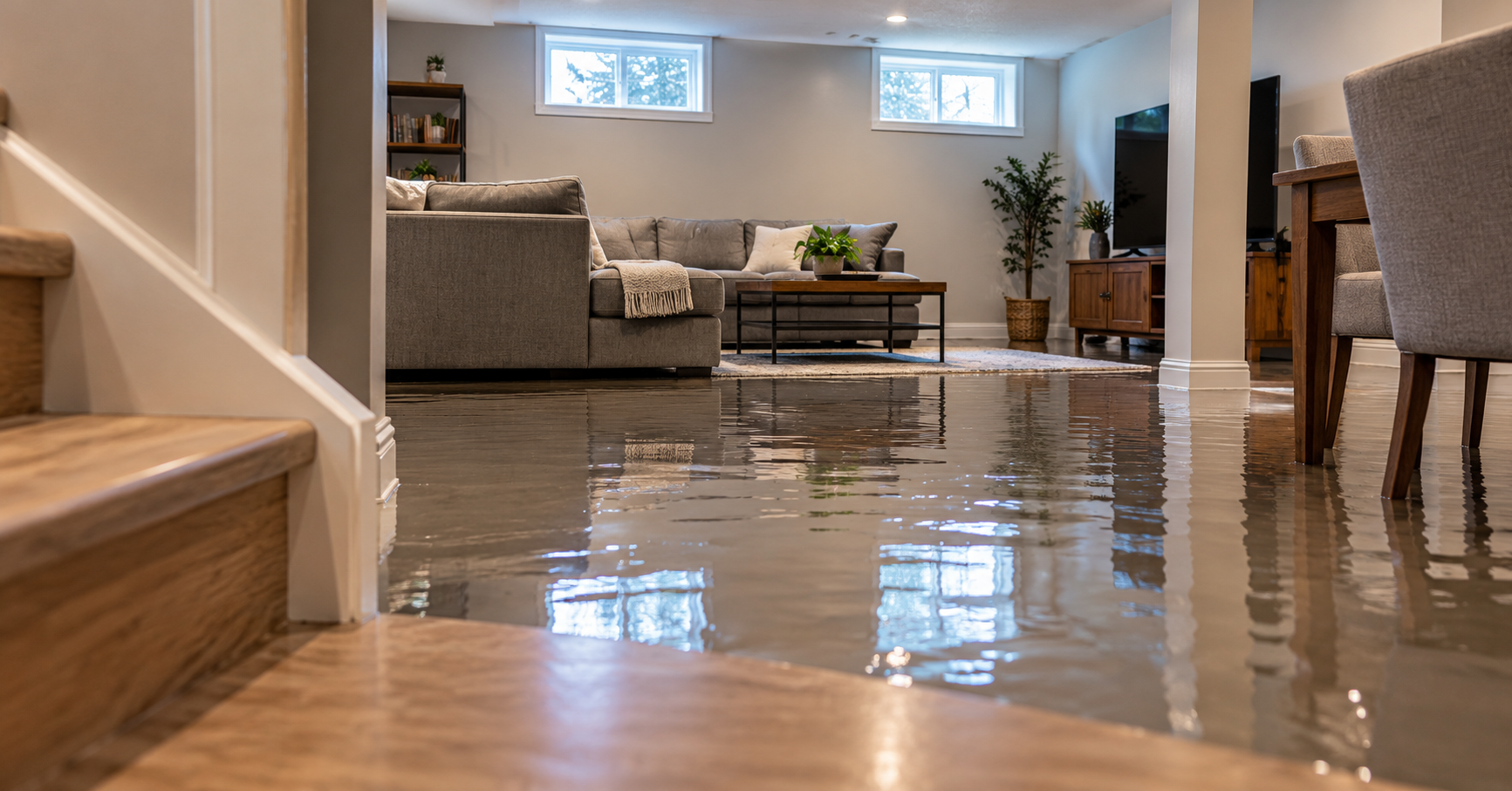
Signs of Structural Damage After a Basement Flood
Signs of Structural Damage After a Basement Flood
A flooded basement can cause significant damage to a home, affecting everything from flooring and drywall to foundations, support beams, and structural framing. While many homeowners focus on water removal, drying, and replacing damaged materials, basement flooding can also create structural problems that are less obvious but potentially more serious.
Excessive water exposure can contribute to foundation movement, deterioration of wood framing, corrosion of structural connections, and instability in certain building components. In severe cases, flooding can compromise the safety and structural integrity of a home.
Understanding the warning signs of structural damage after basement flooding can help homeowners identify problems early and determine when a professional structural engineering inspection is necessary.
Can Basement Flooding Cause Structural Damage?
Yes. Basement flooding can cause structural damage, particularly when water remains in contact with structural components for extended periods or when flooding is associated with significant soil saturation, water pressure, or erosion.
The severity of the damage depends on the source of flooding, water depth, duration of exposure, foundation design, and existing condition of the building.
For example, a minor plumbing leak that is quickly addressed may not affect the structural framing. However, extensive flooding caused by heavy rainfall, sewer backups, groundwater intrusion, or burst pipes can create more serious concerns.
Flooding can affect several important structural components, including:
- Concrete foundation walls and footings
- Wooden floor joists and support beams
- Load-bearing basement walls and columns
- Structural connections and fasteners
- Soil supporting the building's foundation
Not every flooded basement will experience structural damage. However, certain warning signs should prompt further investigation.
7 Warning Signs of Structural Damage After Basement Flooding
1. New or Worsening Foundation Cracks
Foundation cracks are among the most important warning signs to monitor after basement flooding.
Although some cracks result from normal concrete shrinkage or settlement, others may indicate excessive pressure, foundation movement, or structural deterioration.
Particularly concerning conditions include horizontal cracks, widening diagonal cracks, displaced concrete sections, or cracks accompanied by visible wall movement.
Saturated soil surrounding a basement can increase lateral pressure against foundation walls. If drainage conditions are inadequate or the foundation is already weakened, this pressure may contribute to cracking or movement.
A structural engineer can evaluate the cracking pattern, assess the foundation's condition, and determine whether repairs are necessary.
2. Bowing or Bulging Basement Walls
Basement walls should not develop significant inward bowing or bulging after a flood.
When surrounding soil becomes heavily saturated, hydrostatic pressure and increased soil pressure can place additional loads on foundation walls.
Warning signs include:
- Basement walls leaning inward
- Horizontal cracks across concrete or masonry walls
- Visible bulges or displaced sections
- Gaps developing between walls and floor framing
- Progressive movement following heavy rainfall
Bowing foundation walls can indicate a serious structural concern.
Homeowners should avoid attempting to straighten or repair visibly displaced foundation walls without a professional assessment.
3. Sagging or Uneven Floors Above the Basement
Basement flooding can expose floor joists, support beams, columns, and other structural framing to excessive moisture.
Although temporary water exposure does not automatically weaken structural wood, prolonged or repeated moisture exposure can contribute to decay and deterioration.
If floors above the basement begin sagging, sloping, or feeling unusually flexible, the supporting framing should be evaluated.
Other warning signs include increased floor vibration, gaps along baseboards, or noticeable changes in floor elevation.
A structural engineer can inspect the floor framing and determine whether the problem is related to moisture damage, inadequate support, or another structural condition.
4. Water-Damaged Support Beams and Floor Joists
Support beams and floor joists are essential to a home's structural stability.
Water exposure can contribute to wood swelling, deformation, decay, and corrosion of structural connections.
Homeowners should look for visible deterioration, softened wood, significant splitting, or excessive deflection.
Corrosion on joist hangers, metal brackets, bolts, and other connections may also require attention.
Not all wet framing needs replacement. Wood that remains structurally sound after drying may be suitable for continued use.
However, deteriorated or visibly deformed structural members should be assessed before reconstruction begins.
5. Doors and Windows That Suddenly Stick
Changes in how doors and windows operate can sometimes indicate structural movement.
Following basement flooding, foundation settlement or framing deformation may cause door and window openings to become misaligned.
Potential warning signs include doors that no longer latch properly, windows that become difficult to operate, or new gaps around frames.
Moisture-related swelling can also cause temporary sticking, so these symptoms do not automatically indicate structural damage.
However, persistent changes affecting multiple openings may warrant a structural inspection.
6. Basement Columns That Shift or Become Damaged
Support columns transfer structural loads from beams and floors to the foundation.
Flooding can affect these components through corrosion, deterioration, movement of supporting footings, or damage to their connections.
Warning signs include columns that appear tilted, shifted, severely corroded, or disconnected from supporting beams.
In some cases, erosion or settlement beneath a footing can contribute to column movement.
Because these components support significant loads, homeowners should not attempt to move, remove, or modify damaged columns without appropriate structural guidance.
7. Foundation Settlement or Movement
Severe flooding may affect the soil supporting a home's foundation.
Moving water can erode soil, while changes in soil moisture can contribute to expansion, contraction, or settlement depending on local ground conditions.
Potential indicators include new cracks in basement floors, uneven foundation surfaces, separation between structural components, or changes in the alignment of walls and floors.
Not every floor crack indicates settlement, but new or progressive movement following significant flooding should be investigated.
A structural engineer may recommend additional geotechnical investigation when soil conditions appear to be contributing to foundation problems.
What Should You Do After Discovering Basement Flood Damage?
The first priority following basement flooding is safety.
Do not enter a flooded basement if there may be electrical hazards, contaminated water, unstable structural components, or other dangerous conditions.
Once the property is safe to access, a qualified water damage restoration contractor can begin assessing moisture conditions, removing standing water, and drying affected materials.
If there are signs of structural movement, significant cracking, deteriorated framing, or damaged support columns, a structural engineer should evaluate the affected components before permanent structural repairs begin.
Documenting visible damage with photographs may also help when coordinating with contractors and insurance providers.
For severe flooding, structural conditions may need to be assessed before certain cleanup or demolition activities can safely proceed.
What Does a Structural Engineer Inspect After Basement Flooding?
A structural engineer evaluates the building's structural systems to determine whether flooding has affected their stability or load-carrying capacity.
Depending on the situation, an inspection may include:
Foundation walls: Examining cracking, displacement, bowing, and evidence of excessive lateral pressure.
Floor framing: Assessing joists, beams, and structural connections for deterioration or deformation.
Support columns: Checking alignment, corrosion, connections, and supporting foundations.
Load-bearing walls: Evaluating framing conditions and possible structural movement.
Foundation settlement: Investigating visible movement and recommending further assessment when necessary.
Following the inspection, the engineer may prepare a structural assessment report, repair recommendations, or stamped drawings where required.
Can Structural Damage From Basement Flooding Be Repaired?
Yes. Many structural problems caused or worsened by basement flooding can be repaired.
The appropriate repair depends on the affected materials, severity of damage, and underlying cause.
Possible solutions include reinforcing or replacing damaged floor joists, repairing structural connections, stabilizing foundation walls, or addressing foundation settlement.
Importantly, the source of water infiltration must also be addressed.
Structural repairs alone may not provide a lasting solution if drainage problems, groundwater intrusion, or recurring moisture conditions remain unresolved.
A combination of water damage restoration, structural engineering, and foundation repair services may be necessary.
Frequently Asked Questions
Can a basement flood damage a concrete foundation?
Yes. Concrete foundations can be affected by excessive water pressure, soil movement, erosion, or existing structural deficiencies. However, ordinary moisture exposure does not necessarily damage structurally sound concrete.
How long does basement flooding take to cause structural damage?
There is no fixed timeline. Severe flooding can cause immediate damage through water pressure or erosion, while wood decay generally develops from prolonged or repeated moisture exposure.
Do I need a structural engineer after my basement floods?
Not necessarily. Minor flooding limited to nonstructural materials may not require engineering services. However, significant foundation cracking, wall movement, sagging floors, or damaged structural framing should be evaluated.
Can you repair a foundation after basement flooding?
Many foundation problems can be repaired through appropriate structural stabilization or reinforcement. The repair method depends on the cause, extent of movement, and foundation design.
Does homeowners insurance cover structural damage from basement flooding?
Coverage depends on the insurance policy, cause of flooding, and available endorsements. Homeowners should contact their insurance provider to confirm coverage and determine whether an engineering report is required.
Schedule a Structural Inspection After Basement Flooding
Basement flooding does not always result in structural damage, but serious problems can develop when foundations, floor framing, support beams, or load-bearing components are affected.
Identifying these issues before rebuilding can help homeowners avoid concealing damaged structural components or carrying out repairs that do not address the underlying problem.
If your basement has experienced significant flooding or you have noticed new foundation cracks, uneven floors, or damaged structural framing, a professional structural engineering assessment can help determine the condition of your home.
Contact our residential structural engineering team to schedule a basement structural inspe