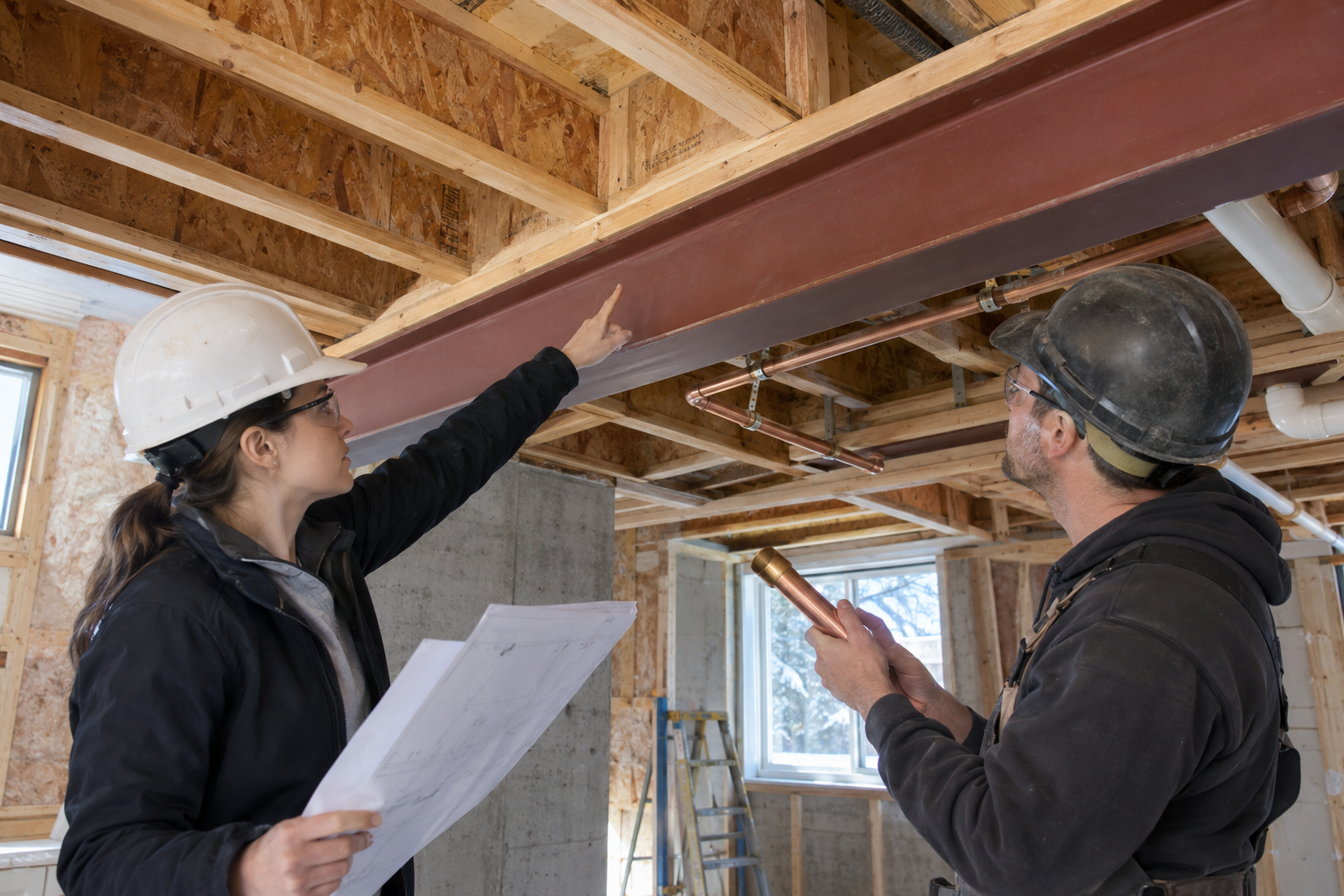

Does A Structural Engineer Need To Open Walls Or Ceilings In Toronto?
Does A Structural Engineer Need To Open Walls Or Ceilings In Toronto?
A Toronto structural engineer may need walls or ceilings opened when framing, beams, posts, foundations, or connections are hidden and cannot be confirmed visually.
For Toronto homeowners, the useful answer depends on the actual house, not a rule of thumb. Older framing, masonry, finished basements, previous openings, and hidden posts can all change how opening walls or ceilings for engineering should be handled.
This article explains what matters structurally, what an engineer checks, and how to prepare before you ask a contractor to price opening walls or ceilings for engineering.
Can You Move Forward With Exploratory Wall Openings?
Start by confirming whether the work affects support, stability, foundations, exterior openings, or permit scope. If it does, exploratory wall openings should be reviewed before demolition, ordering materials, or covering any framing.
Guessing through drywall can lead to wrong beam sizes, missed posts, or unsafe assumptions.
Where Exploratory Wall Openings Can Get Complicated In Toronto
Finished Toronto homes often hide old plaster, mixed framing, previous openings, brick pockets, and undocumented beams behind clean finishes.
The Toronto detail that matters most is often hidden: a beam tucked above drywall, a post landing on a thin slab, a foundation wall that has already moved, or an older opening that was never documented.
What Engineers Check For Exploratory Wall Openings
For exploratory wall openings, the review usually includes these items:
- what condition is hidden
- least invasive opening location
- joist direction and bearing
- beam, post, or connection details
- repair scope after inspection
The engineer is not just looking for a yes or no. The goal is to decide whether the condition can remain, needs monitoring, needs a written report, or needs stamped drawings and a buildable detail.
Permit And Drawing Issues For Exploratory Wall Openings
Toronto Building may ask for structural drawings when the work changes load-bearing framing, foundations, exterior openings, stairs, building use, or fire and life safety. The exact requirement depends on the project scope, but it is better to know before the work is hidden.
For official permit direction, homeowners can review Toronto Building permit guidance. For engineering scope, the practical question is what documentation a contractor, reviewer, buyer, lender, or insurer will need later.
Red Flags Before Opening Walls or Ceilings for Engineering
Pause and get the condition reviewed sooner if you see any of the following:
- new or widening cracks near the work area
- sagging, bouncing, bowing, or visible movement
- water staining, leaks, or foundation deterioration
- old repairs, patches, or undocumented structural changes
- a contractor suggesting demolition before support is confirmed
What To Send For A Exploratory Wall Openings Review
Ask where the smallest useful opening should be made before cutting large areas.
Photos should show the close-up condition and the wider room. When possible, include the floor or ceiling above, the basement or crawlspace below, and the exterior side of the wall or foundation.
Toronto Services That Support Exploratory Wall Openings
This type of project may involve structural inspections, structural drawings, structural renovations. The right scope may be a site inspection, a short written opinion, stamped structural drawings, permit review support, or construction-stage clarification.
Mistakes To Avoid With Exploratory Wall Openings
- starting opening walls or ceilings for engineering before the load path is understood
- covering structural conditions before photos, measurements, or inspection
- assuming a previous renovation was built with drawings or permits
- getting contractor pricing before the structural scope is clear
Related Guides For Exploratory Wall Openings
Related topics that may help with this decision include site visits, finished work review, load-bearing walls.
Exploratory Wall Openings Questions Toronto Homeowners Ask
Does does an engineer need to open walls in toronto homes today always need a permit?
Not always. A permit is more likely when opening walls or ceilings for engineering changes structure, foundations, exterior openings, stairs, fire separation, or use of space. Check the specific scope against Toronto Building permit guidance.
Can a contractor handle exploratory wall openings without an engineer?
A contractor can build the work, but an engineer should be involved when the decision affects load paths, structural safety, permit drawings, or documentation for resale and insurance.
What should I prepare before asking about exploratory wall openings?
Send photos, rough dimensions, existing drawings if available, and a short note explaining the proposed work. For this topic, include details about what condition is hidden and least invasive opening location.
Get Help With Exploratory Wall Openings In Toronto
If you are planning opening walls or ceilings for engineering or trying to understand an existing condition, Toronto Structural Engineers can review the house and explain the next structural step. You can request a free structural engineering quote before demolition, permit submission, or construction scheduling.