
Deck foundations
Deck piles must address frost, lateral support, uplift, ledger conditions, and framing loads rather than simply matching a contractor spacing rule.
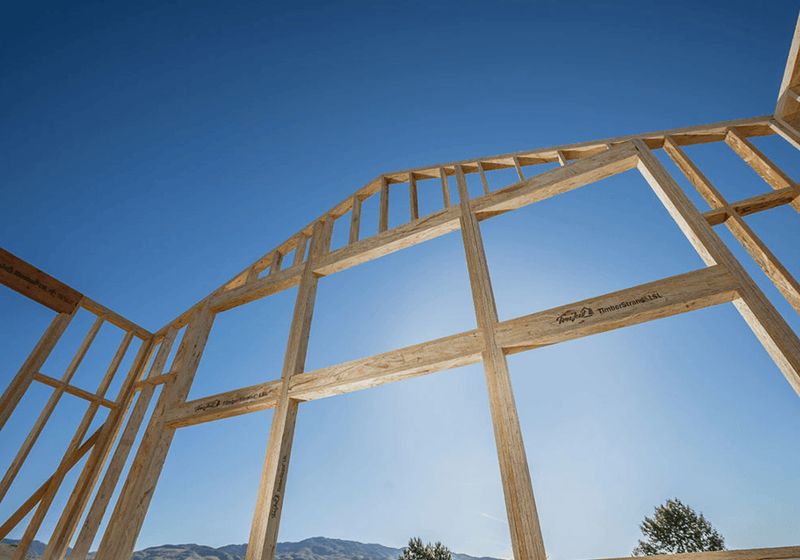
Screw pile foundation engineering Toronto
Toronto Structural Engineers designs helical pile foundations for decks, additions, garden suites, garages, and accessory structures with project-specific load analysis, soil review, permit drawings, and installation torque requirements.
Residential helical pile design
Screw piles can be installed quickly, avoid large excavations, and carry load the same day. The risk is treating them like a commodity. Capacity depends on the structure, soil, pile configuration, installation depth, and final torque. That is why the drawings need to be designed for the actual project, not copied from a standard template.
Deck piles must address frost, lateral support, uplift, ledger conditions, and framing loads rather than simply matching a contractor spacing rule.
Screw piles can reduce excavation, but addition loads, pile caps, connections, and the junction with the existing foundation need coordinated design.
Habitable accessory buildings need foundation engineering for floor, wall, roof, snow, wind, and occupancy loads under the Ontario Building Code.
Rear-yard access, tight lots, and soil disturbance often make screw piles practical for garage or carport structures that still need permit drawings.
Wind uplift and roof loads can govern larger shade structures, outdoor kitchens, and covered exterior spaces.
In selected repair or reinforcement cases, screw piles may transfer new loads below weak or disturbed near-surface soil.
Glacial till, clay, fill, ravine-adjacent organic material, and disturbed urban sites do not provide the same pile capacity.
Decks, garages, garden suites, additions, and covered structures each place different compression, uplift, and lateral demands on piles.
Without minimum torque requirements and installation records, there is no practical field confirmation that capacity was reached.
Permit drawings should show assumptions, pile specifications, layout, connections, and structural logic clearly enough for municipal review.
Installation verification
A proper screw pile design specifies the minimum installation torque each pile must achieve. The installer records torque during driving, and those records can be reviewed against the engineering assumptions.
We review the structure, address, survey, drawings, access constraints, nearby foundations, and available soil information.
Dead, live, snow, wind, uplift, and lateral loads are calculated for the actual structure, not assumed from a template.
Available soil data, neighbourhood conditions, and project risk are reviewed. Where uncertainty is too high, we recommend geotechnical input.
Pile diameter, helix configuration, spacing, location, installation depth, torque, caps, brackets, and connections are selected.
Stamped drawings are prepared with pile layout, sections, notes, connection details, and installation requirements for review.
We can review torque logs, respond to field conditions, and provide direction when a pile does not reach required capacity as expected.
Screw piles work well across many residential sites, but the pile length, helix configuration, torque target, and need for geotechnical coordination depend on what is below the surface.
Dense till often provides efficient bearing and strong torque response at practical residential depths.
Soft to firm clay may require longer piles and closer attention to long-term settlement under sustained loads.
Urban fill can include inconsistent material that must be bypassed to reach competent bearing below.
Soft organic material provides little useful bearing and may require deeper piles or geotechnical investigation.
Screw pile foundations often connect to broader structural work. These related service pages help homeowners and contractors find the right engineering support for the full project.
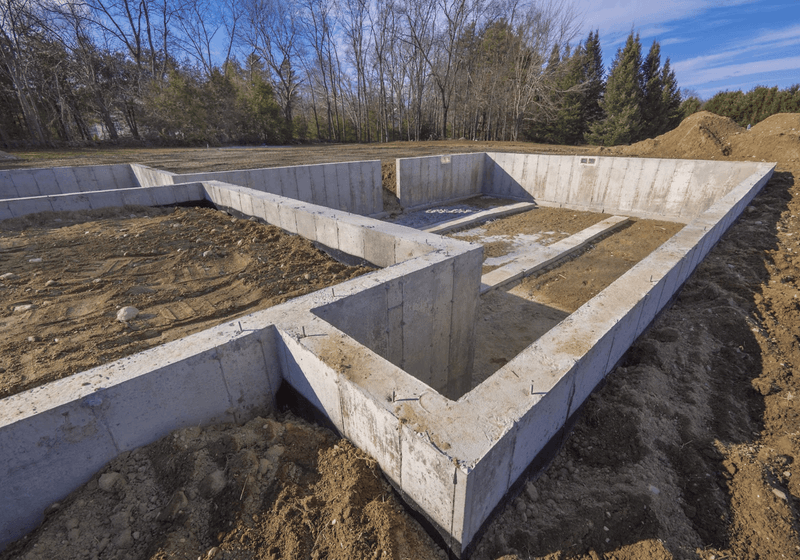 Structural RenovationsLoad path changes, framing modifications, and renovation permits.
House ModificationsAdditions, openings, conversions, and changes to existing homes.
Structural FoundationsFoundation engineering for new loads, additions, and repairs.
Tall Wall StructuresTall walls, decks, exterior structures, and lateral support.
Concrete Garage PadsGarage slab and pad engineering for conventional foundations.
Structural DrawingsStamped drawings for permits and contractor coordination.
Structural InspectionsEngineer review before design, repair, purchase, or construction.
Foundation InspectionsCracks, movement, settlement, bowing, and repair needs.
Municipal ReviewsResponses to structural permit comments and deficiencies.
Code ComplianceOntario Building Code support for structural design and review.
Structural RenovationsLoad path changes, framing modifications, and renovation permits.
House ModificationsAdditions, openings, conversions, and changes to existing homes.
Structural FoundationsFoundation engineering for new loads, additions, and repairs.
Tall Wall StructuresTall walls, decks, exterior structures, and lateral support.
Concrete Garage PadsGarage slab and pad engineering for conventional foundations.
Structural DrawingsStamped drawings for permits and contractor coordination.
Structural InspectionsEngineer review before design, repair, purchase, or construction.
Foundation InspectionsCracks, movement, settlement, bowing, and repair needs.
Municipal ReviewsResponses to structural permit comments and deficiencies.
Code ComplianceOntario Building Code support for structural design and review.
For permitted decks and structures, stamped structural drawings are typically required. Even where a small deck does not require the same permit path, engineering helps confirm pile spacing, capacity, depth, torque, and connection requirements.
Toronto residential design must account for frost depth, commonly treated as about 1.2 m under Ontario Building Code practice. Many piles go deeper to achieve the specified torque or reach suitable bearing soil.
Yes, they can be a practical option on constrained rear lots. The design must account for habitable building loads, soil conditions, pile caps, lateral support, service coordination, and permit requirements.
The engineer reviews the condition and provides direction. The solution may be deeper installation, a different pile configuration, additional piles, or a revised detail depending on the field record and project loads.
They are not automatically better. Screw piles can be faster, cleaner, and easier on tight sites, while concrete footings may be more appropriate for other structures or soil conditions. The right answer depends on the project.
Build on a proper basis
Get project-specific screw pile foundation engineering for Toronto homes, decks, additions, garden suites, garages, and accessory structures.